
It Was Never About the Gift—It Was Always About the Moment

Updated: Jul 3
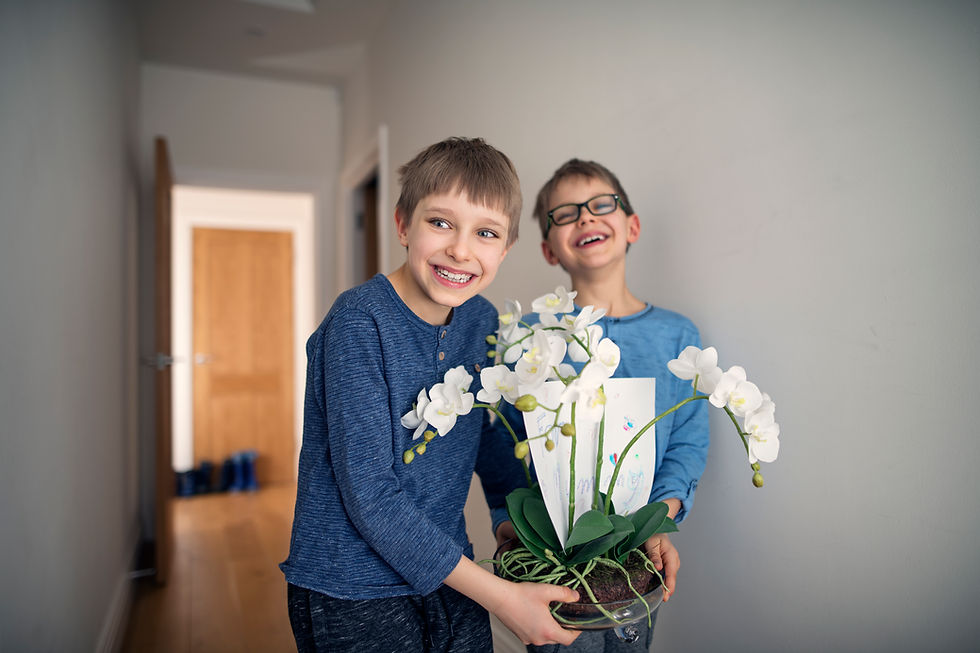
The Moment We All Recognize
They’re opening the gift you gave them.
You’re watching—trying not to make it obvious…
but still paying attention to every little reaction.
The pause.
The expression.
The tone of their voice when they say thank you.
And in that split second, your mind starts racing:
Do they like it?
Was it enough?
Should I have done something different?
It’s such a small moment.
But it carries so much weight.
Because somewhere along the way…
we started believing the gift itself was the most important part.

The Part No One Talks About
We spend so much time thinking about what to give.
The right item.
The right price.
The right reaction.
But the truth is—
most people don’t remember the gift the way we think they will.
They remember:
how they felt when they opened it
what was said in that moment
who was there
the energy around it
Because gifts don’t actually land in someone’s hands…they land in a moment.
And that moment is what stays.
Our brains naturally attach emotions to experiences, which is why the feeling often lasts longer than the object itself.
Why Some Gifts Are Never Forgotten
Think about a time a gift really meant something to you.
It probably wasn’t just the item.
It was:
the way it caught you off guard
the fact that someone noticed something about you
the timing—when you needed it most
the feeling behind it
That’s what creates emotional memory.
Not the object.
The experience around it. Sometimes the gift isn't remembered because it was extraordinary.
It's remembered because it became part of a story.
"Remember when you surprised me after that terrible week?"
"Remember Christmas when everyone laughed because..."
The gift becomes part of a memory—and that's what people carry forward.
That’s why someone can forget what they got for their birthday last year…
but still remember exactly how someone made them feel.
If you’ve ever noticed how much meaning comes from simply paying attention to someone, this connects deeply with The Art of Paying Attention: The Secret to Better Gifts.

Where We Get It Wrong
We’ve been taught to focus on the wrong part.
We think:
bigger = better
more expensive = more meaningful
impressive = memorable
And sometimes… that pressure takes over.
You start overthinking.
Second-guessing.
Spending more than you should.
Trying to “get it right.”
If that pressure feels familiar, it’s something many people quietly carry—especially when money, expectations, or comparison get involved, which is why When You Don’t Have the Money—But Still Want to Give Something Meaningful hits so close to home.
But in doing that…
you can lose the part that actually matters.
The connection.
The Quiet Pressure No One Admits
There’s a moment most people don’t talk about.
When you hand someone a gift…
and you’re watching their reaction a little too closely.
Trying to read their face.
Hoping it’s enough.
Wondering if you should’ve done more.
Or the moment before that—
when you’re standing in a store, scrolling online, or trying to figure something out…
feeling that pressure creep in:
“This has to be good.”
“What if it’s not enough?”
“What if they don’t like it?”
And underneath all of that?
There’s something deeper.
The feeling that the gift is somehow a reflection of you.
Your effort.
Your care.
Your value in that moment.
So you try harder.
Spend more.
Overthink more.
Push yourself past what feels natural.
Not because you want to give more…
but because you don’t want to feel like you fell short.
👉 This is where the shift starts.
Because the pressure was never actually about the gift.

When Gift-Giving Becomes Automatic
Sometimes, it’s not that we don’t care.
It’s that we’re moving too fast to notice.
We grab something quickly.
Wrap it quickly.
Give it quickly.
And the moment passes just as fast.
Not because it didn’t matter…
but because we didn’t slow down enough to be in it.
That’s how meaningful moments turn into routine exchanges.
Not from lack of care—but from lack of presence.

Real-Life Moments That Matter
A birthday where someone slows the day down instead of rushing through it.
An anniversary where the focus isn’t the gift—but the time spent together.
A “thinking of you” moment that shows up right when someone is struggling.
A simple meal shared without distractions.
A handwritten note that says what someone didn’t expect to hear—but needed.
These aren’t “big” moments by definition.
But they become big… because of how they feel.
And often, it’s the simple, personal touches that make the difference—which is exactly what How to Give a Gift That Feels Personal (Even If It’s Simple) is really about.
What Actually Stays With People
A few days later…
the wrapping paper is gone.
The gift is sitting somewhere in the house.
Life has already started moving again.
But something else lingers.
A feeling.
The way that moment felt when it happened.
That’s what people carry with them.
Not:
the exact item
the brand
the price
But:
the thought behind it
the timing
the way you showed up
That’s why someone can forget what they got…
but never forget how that moment felt.

The Moment That Changes How You Give
At some point, you start to notice something.
The gifts people talk about later…
aren’t the most expensive ones.
aren’t the most impressive ones.
aren’t even always the “perfect” ones.
They’re the ones that came with a moment.
A laugh.
A conversation.
A pause in the middle of a busy day.
A feeling of “they really know me.”
And once you see that…
you can’t unsee it.
You realize:
You were never trying to give the perfect gift. You were trying to create a moment that meant something.
And you don’t need perfection to do that.
How to Create Moments That Actually Matter
You don’t need more money.
You don’t need perfect timing.
You don’t need something elaborate.
You simply need to be intentional.
Intentional doesn't mean perfect.
It simply means choosing to give your attention before you give your gift.
Try this:
Slow down the moment
Be present
Say something real
Pay attention to timing
Let it be simple
Because the goal isn’t to hand someone something…it’s to make them feel something.
Fox’s Take
People may eventually forget the gift.
But they rarely forget how someone made them feel while giving it.
Presence leaves a longer imprint than presents.
But they will remember:
how you made them feel in that moment…
whether they felt seen…
and whether your presence felt real or rushed.
That’s what stays.
Not the price.
Not the packaging.
Not whether you “got it right.”
Just the moment.

A Gentle Next Step
The next time you give something…
Pause.
Notice the moment you’re creating—not just the item you’re handing over.
Slow it down.
Be there for it.
And the next time you give something, make the moment matter just a little more than the gift itself.


Comments